Maintenance issues don’t always show their full impact right away. A repair gets handled, things seem fine, and then the same issue shows up again weeks later. Over time, those repeated fixes start to feel less like a coincidence and more like a pattern that needs attention.
In many Orlando properties, recurring repairs reflect underlying inefficiencies that were never fully resolved. When you start noticing these patterns, it helps to look deeper, especially when reviewing insights like those shared in Orlando’s rental performance upgrades.
Key Takeaways
- Repeated repairs often reveal deeper system problems that require long-term solutions
- Quick fixes tend to increase maintenance costs when issues keep returning
- Delaying system upgrades leads to more frequent breakdowns and inefficiencies
- Reliable maintenance improves tenant satisfaction and lease renewals
- Tracking repair trends helps identify hidden inefficiencies early
Why Recurring Repairs Shouldn’t Be Ignored
When a repair issue keeps coming back, it’s rarely just bad timing. It often signals something deeper within the property.
Looking Beyond the Immediate Fix
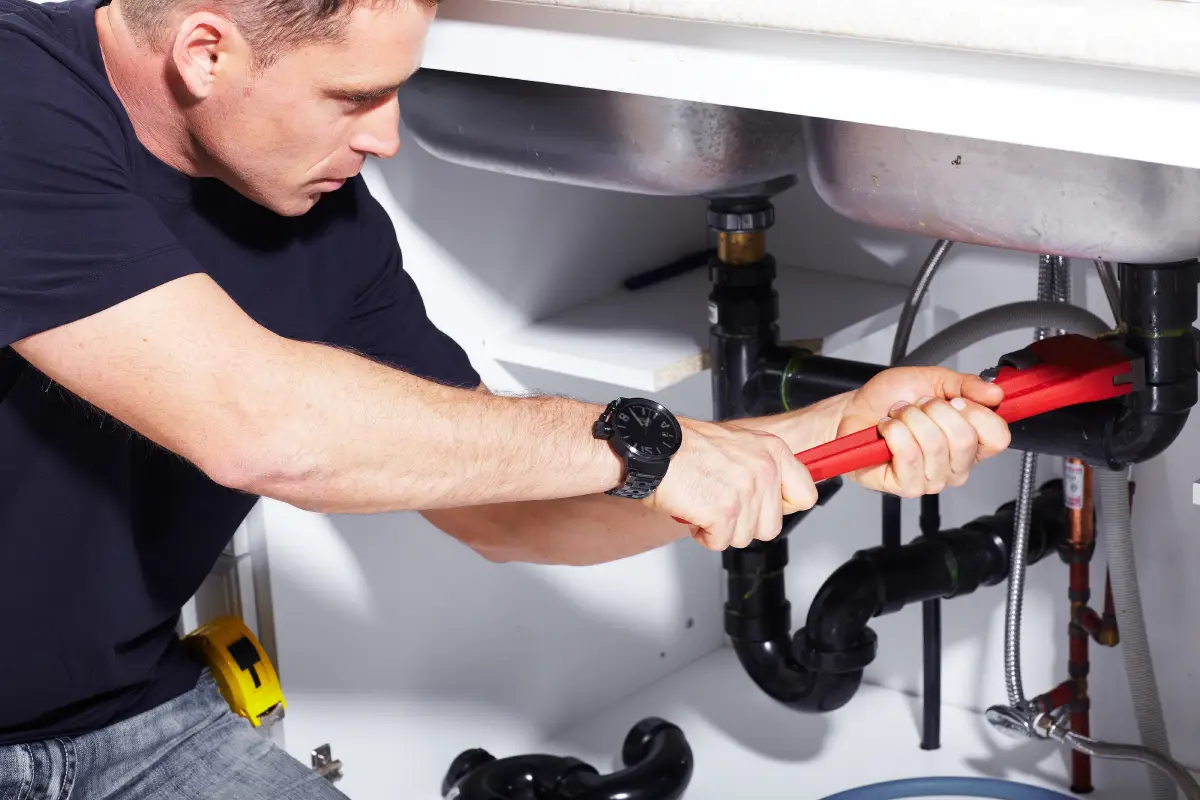
For example, a clogged drain might suggest buildup further down the line. An HVAC system that needs constant attention could be outdated or improperly sized. These situations show why it’s important to focus on long-term solutions instead of quick patches.
Tracking maintenance activity over time gives you a clearer picture of what’s happening. Without that visibility, recurring problems can quietly increase your expenses.
Common Recurring Issues to Watch
- Plumbing problems that reappear in the same areas
- HVAC systems requiring repeated servicing
- Electrical issues that continue after repairs
Recognizing these patterns early helps prevent larger and more expensive issues later.
The Real Cost of Repeated Repairs
Small repairs may seem manageable at first, but repeated service calls can quickly add up.
Each visit involves labor, materials, and coordination. Over time, these repeated costs become a significant expense. Housing data shows that median monthly owner costs reached $2,035 in 2024, highlighting how ongoing expenses continue to rise.
Why Temporary Fixes Fall Short
Short-term repairs focus on immediate relief rather than long-term stability. That’s why the same issue often returns. Over time, repeated fixes can cost more than addressing the root cause once.
This trend is reflected across the housing market. Repair needs reached $198.4 billion in a single year, driven largely by unresolved and recurring issues.
Understanding Your Maintenance Spending
Taking a closer look at your maintenance costs can help you make better decisions. Tools like a rental ROI calculator provide insight into how recurring repairs affect your overall returns.
Delaying Upgrades Keeps the Cycle Going
Holding off on system upgrades may seem like a cost-saving decision, but it often leads to more frequent problems.
Older systems tend to break down more often and operate less efficiently. This creates a cycle where repairs become more frequent without improving performance.
Long-Term Effects of Delayed Improvements
- Increased frequency of service calls
- Higher energy costs due to inefficiency
- Reduced system lifespan
- Greater chance of unexpected breakdowns
Making timely upgrades helps stabilize maintenance needs and improve property performance.
Tenant Experience Suffers When Problems Repeat
Recurring maintenance issues don’t just affect your budget. They also impact how tenants feel about living in the property.
Even when repairs are handled quickly, repeated disruptions can lead to frustration. Over time, tenants may lose confidence in how issues are managed.
Clear communication plays an important role here. Addressing concerns thoroughly and maintaining transparency, as outlined in Orlando’s tenant concern strategies, helps improve tenant satisfaction.
Signs Tenants Are Losing Trust
- Repeated complaints about the same issue
- Frustration with maintenance processes
- Declining satisfaction levels
- Hesitation to renew leases
These signals often connect directly to unresolved maintenance patterns.
Maintenance Systems That Actually Work
A structured maintenance approach helps break the cycle of recurring issues. Instead of reacting to problems, it focuses on prevention and efficiency.
Technology plays a key role here. Tracking repairs, coordinating vendors, and maintaining clear records all contribute to better outcomes.
Understanding responsibilities also matters. Knowing whether property managers handle repairs, as explained in repair responsibility insights, helps clarify expectations and improve response times.
Benefits of a Proactive Maintenance Approach
- Better tracking of recurring issues
- Faster and more efficient service coordination
- Reduced long-term costs
- Improved tenant satisfaction
This approach shifts your focus from constant repairs to long-term stability.
Avoiding Common Rental Headaches
Recurring repairs often tie into larger management challenges. Addressing these early helps prevent bigger problems down the road.
Many of the most common issues can be avoided with better planning and proactive strategies. For example, understanding how to avoid rental management challenges can reduce the likelihood of recurring problems.
How to Stay Ahead of Maintenance Issues
Consistent inspections, preventive maintenance, and timely upgrades all play a role in reducing recurring repairs. These steps create a more stable and efficient property environment.
Data-Driven Decisions Improve Long-Term Results
When you track maintenance patterns, you gain valuable insights into your property’s performance. This helps you make informed decisions about repairs, upgrades, and budgeting.
A free rental analysis can highlight inefficiencies and show where improvements will have the greatest impact. Reviewing available owner resources also helps you align maintenance strategies with long-term goals.
FAQs about Recurring Repairs and Rental Property Efficiency in Orlando, FL
What’s the first step to identifying a hidden maintenance issue in a rental property?
Start by reviewing past repair records and noting how often the same issue appears. Patterns across time or units usually reveal deeper system concerns that require more than a quick repair to fully resolve.
Can poor installation lead to long-term recurring repairs?
Yes, improper installation often creates ongoing issues that surface repeatedly over time. Even if repairs seem successful at first, underlying flaws can cause the same problem to return unless corrected properly.
How often should rental properties be inspected to catch recurring problems early?
Routine inspections at least twice a year can help identify early warning signs. Regular checkups allow you to catch small issues before they develop into repeated repairs or larger system failures.
Do recurring repairs affect property value over time?
Yes, ongoing maintenance issues can lower property value by signaling poor upkeep. Buyers and investors often view repeated repairs as a risk, which can reduce overall appeal and long-term return potential.
Is it better to budget for upgrades or continue handling repairs as they come?
Planning for upgrades is often more cost-effective in the long run. While repairs may seem cheaper initially, repeated fixes usually cost more over time compared to investing in lasting improvements.
Stronger Systems Lead to Fewer Surprises
Patterns in maintenance don’t fix themselves, and letting them continue often leads to more disruption than expected. When systems are evaluated properly and addressed at the source, operations become smoother and far more predictable over time.
Working with PMI Property Alliance gives you a clearer path forward. We help you spot recurring issues early, refine your maintenance approach, and keep your Orlando rental running efficiently without the constant back-and-forth of repeat repairs.
When you’re ready to move past temporary fixes, start solving the bigger picture and improve property maintenance results with solutions designed to last.
