
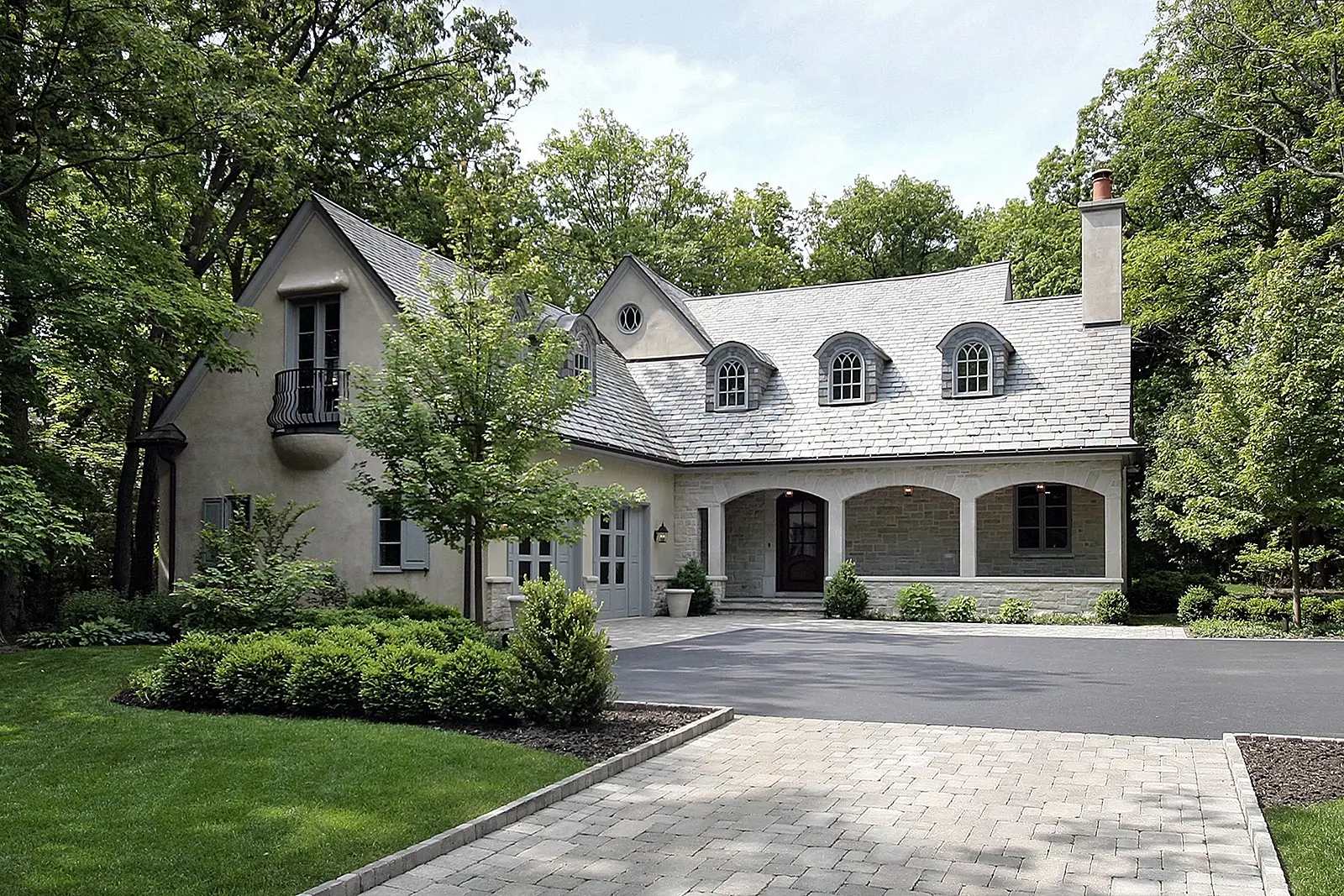
Day-to-day, Orlando neighborhood picks can shape whether your rental feels like a steady asset or a weekly scramble. For residential owners in Orlando, single-family homes often land on the “steady” side because they reduce the kind of friction that eats time, increases costs, and drains momentum. That doesn’t mean every home is automatically easy, yet the structure of a detached property tends to support cleaner operations, clearer accountability, and better tenant satisfaction.
In this rewrite, we’re focusing strictly on residential performance in Orlando, FL, and why single-family rentals are often the most practical route for owners who want control without constant disruption.
Key Takeaways
- Single-family homes often create fewer tenant conflicts because privacy is built into the property design.
- Orlando renters tend to renew more when a home supports pets, outdoor living, and flexible work habits.
- Neighborhood-based pricing can feel more stable than unit-to-unit competition.
- Maintenance planning is typically simpler when systems serve one household.
- Working with PMI Property Alliance helps keep performance consistent across the lease cycle.
Orlando demand keeps favoring detached living
Orlando’s rental demand isn’t driven by one type of household. You’ll see families, remote workers, and long-term renters who want neighborhood routines, driveway convenience, and a sense of personal space. Single-family homes naturally fit those preferences, which influences both leasing/frontend operations and renewal/back-end stability.
A helpful lens here is the broader housing market. National trends still point to strong interest in detached properties, with the median existing single-family home price reaching $426,800 in the third quarter of 2025. Even though Orlando has its own micro-markets, that sustained demand for single-family living tends to show up locally in renter expectations and willingness to pay for space.
What this means for your rental
When tenants want “home-style living,” detached rentals can feel like a direct solution. That usually supports stronger applicant interest, fewer mismatched move-ins, and lease terms that align with longer stays.
Privacy reduces the kind of problems that spiral
Single-family homes remove a big source of avoidable friction: shared living. In higher-density settings, issues can multiply quickly because multiple households are stacked around shared walls, corridors, parking rules, and noise patterns.
Fewer neighbor disputes to mediate
In a detached home, complaints about upstairs footsteps, late-night hallway noise, and shared-entry behavior tend to drop. That matters because disputes rarely stay small. They often trigger repeated calls, tense renewals, and occasional early move-outs.
Cleaner responsibility lines
When there’s only one household, it’s usually easier to determine what happened and what needs attention. That supports faster decision-making and clearer communication, which is where owners often feel the “calm asset” difference.
Outdoor space keeps renters comfortable and committed
Orlando is an outdoor city for much of the year. Private outdoor areas aren’t a bonus feature, they’re often part of the lifestyle plan renters have in mind when they search.
Why yards and patios help retention
A backyard, porch, or patio creates day-to-day convenience. Tenants can unwind, host friends, or simply spread out without worrying about common-area rules. Over time, that comfort supports renewals because the home becomes harder to replace with a similar alternative at the same price.
Pet households love single-family setups
Many pet owners prioritize a yard or at least private exterior space. That can widen your applicant pool and improve tenant satisfaction. When expectations are clearly documented in the lease, pet-friendly demand doesn’t have to translate into pet-related drama.
Floor plans that adapt help tenants stay longer
Orlando renters are juggling changing routines, hybrid work, multi-generational needs, and family growth. Single-family layouts often keep pace with those shifts.
Flexible rooms reduce “we’ve outgrown this” moves
A third bedroom that becomes an office, a bonus room that becomes a nursery, or a dining nook that becomes a workspace can extend a tenancy by a year or more. For owners, that’s fewer vacancy gaps, fewer make-ready cycles, and less marketing spend.
Features that keep showing up in applications
You’ll often see strong response to practical features: dedicated laundry, extra storage, garage space, and driveway parking. These are small details that influence daily living, and daily living is what convinces tenants to renew.
Pricing feels steadier when you compete by neighborhood
Single-family rentals rarely compete against a row of identical units in the same building. That changes how pricing pressure shows up, and it gives owners more room to position rent strategically.
Detached homes compete differently
Instead of competing against “Unit 3A,” you’re competing on location, condition, yard size, updates, and school proximity. That creates more pricing flexibility, especially when the property has a distinct advantage.
Rent premiums support the strategy
Industry data also reinforces that single-family rents can carry a meaningful premium. Zillow has reported single-family rents running 20% higher than multifamily rents, which reflects how renters value space and privacy. For Orlando owners, that often translates into better revenue potential when the home is well-positioned and well-managed.
If you’re pressure-testing a rent plan or acquisition, our ROI numbers fast tool can help you model scenarios before you commit.
Maintenance planning stays clearer without shared systems
Maintenance doesn’t disappear in single-family rentals, yet it tends to be easier to forecast and manage because systems are isolated to one household.
Repairs stay contained
A plumbing issue affects one property. An HVAC failure impacts one tenant. You aren’t coordinating access across multiple units or trying to keep shared amenities running for dozens of residents.
Budgeting feels more predictable
Owners often find it easier to plan reserves and schedule preventative maintenance. Pairing that with consistent tracking matters, and our rental accounting tips can help you tighten reporting so maintenance decisions stay aligned with your cash flow goals.
Here are a few examples of what single-family owners typically avoid compared to shared-living setups:
- Common-area failures that trigger multiple complaints at once
- Shared-system repairs that require layered scheduling and coordination
Risk management is usually simpler in a detached home
Insurance and risk planning still require attention, yet single-family homes tend to involve fewer shared liabilities. That can make coverage easier to evaluate, and it can reduce gray areas around responsibility.
Fewer shared exposures
No shared corridors, elevators, or amenity spaces usually means fewer “who’s responsible for this?” scenarios. That clarity supports smoother claims handling and more straightforward policy reviews.
Better control over property standards
Single-family rentals make it easier to set and enforce expectations around property care. With one household, communication is cleaner, inspections are simpler, and compliance steps are easier to schedule.
Growing a residential portfolio without losing your weekends
Single-family homes often work well for owners who want to scale gradually. You can add properties one at a time and still keep a clear line of sight into performance.
Start with clarity, then expand
Before you buy or renew a lease, it helps to validate rent positioning and demand. Our free rent snapshot is a practical way to pressure-test your numbers and spot opportunities to reduce vacancy risk.
Systems matter as you add doors
As your portfolio grows, consistency becomes the difference between “manageable” and “messy.” That’s where our processes and standards protect your time. If you want to see how accountability is structured, review our service guarantee details and how we apply them to residential leasing and ongoing operations.
FAQs about Single Family Homes in Orlando, FL
What types of renters usually choose single-family homes in Orlando, FL?
Families, remote workers, and long-term renters often prefer single-family homes for privacy, storage, and neighborhood routines. Many also prioritize driveways, outdoor space, and room for hobbies, which can be harder to find in higher-density housing.
Do single-family rentals in Orlando, FL typically have longer tenant stays?
They often do when the home fits a tenant’s next “life step,” such as a home office need, a growing family, or pet-friendly living. When daily comfort stays high, renewals tend to follow more naturally.
How should owners handle lawn care expectations for Orlando, FL rentals?
Spell it out in the lease and keep it realistic. Some owners include service to protect curb appeal, while others assign responsibility with clear standards. Either approach works when expectations, inspections, and timelines are consistent.
What maintenance items are most important in Orlando, FL single-family homes?
HVAC servicing, exterior drainage, roof condition, and pest prevention are common priorities. Orlando’s weather can stress systems, so preventative checks help reduce emergency calls and protect the tenant experience through hotter months and storm seasons.
Is professional management worthwhile for Orlando, FL single-family homes?
Yes, especially if you want consistent screening, reliable vendor coordination, and compliance oversight. Even one home can create time pressure, and a structured management plan helps protect income, reduce vacancy, and keep communication predictable.
Turn a stable home into a stronger investment
Single-family rentals can deliver the kind of operational calm that makes ownership feel sustainable, clearer pricing, fewer shared-space conflicts, and maintenance planning that stays contained. If you want that stability to translate into stronger long-term returns, we’re ready to help.
PMI Property Alliance supports Orlando’s residential owners with systems built for performance. Build your Orlando owner plan and let’s map out a management strategy that protects your time and strengthens your cash flow.
